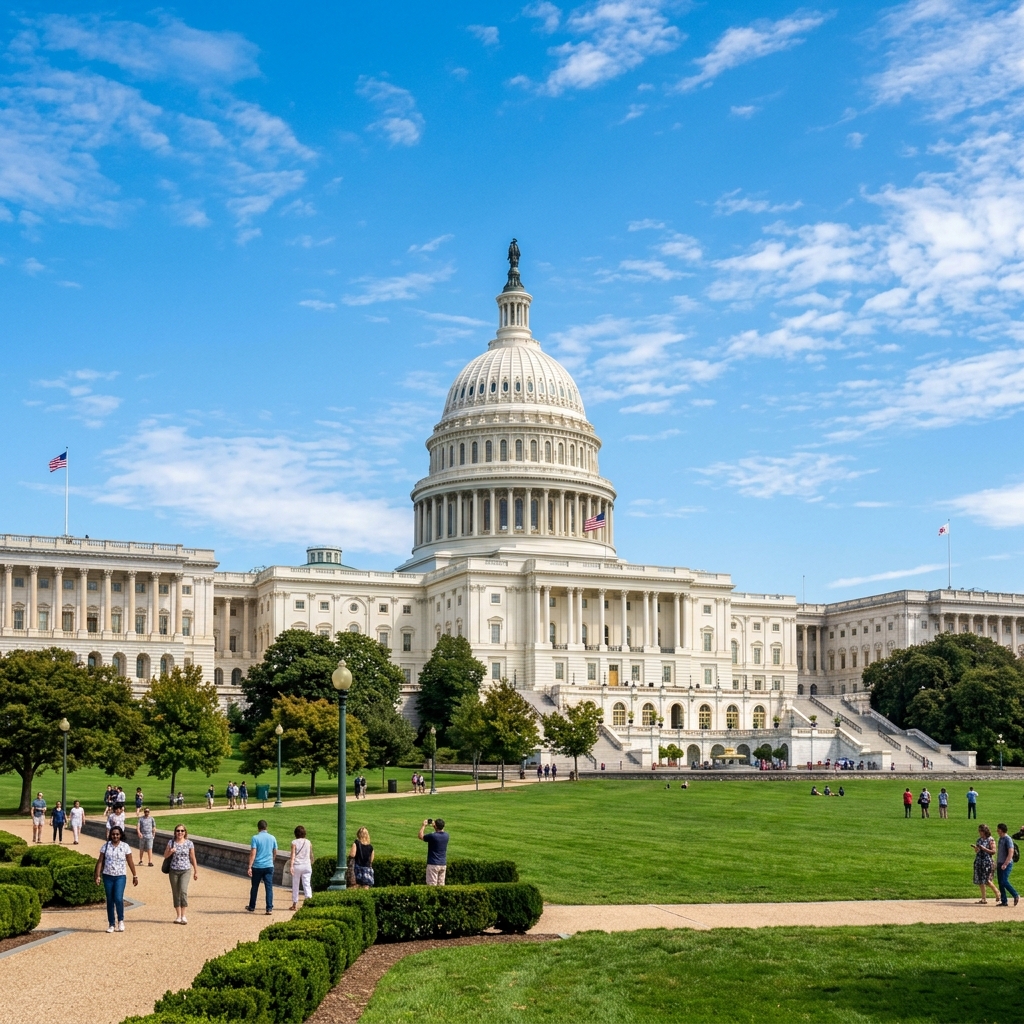
STUDY IN USA — COMPLETE GUIDE FOR INDIAN STUDENTS
Study in USA for Indian Students 2026 | Top Universities, Fees & Visa | ISMS Global
The US continues to be the largest and most popular destination for overseas education – boasting the greatest number of leading institutions, most well-developed research funding system, and unique pathway to professional success via internships, OPT, and STEM OPT. India has topped the list of countries sending the most students abroad for the second straight year with over 3.63 lakh Indian students enrolled in the US in 2024-25. More than 60 per cent of these students are pursuing postgraduate studies.
Expert guidance for university selection, admissions, scholarships, documentation, student visas, and pre-departure planning.
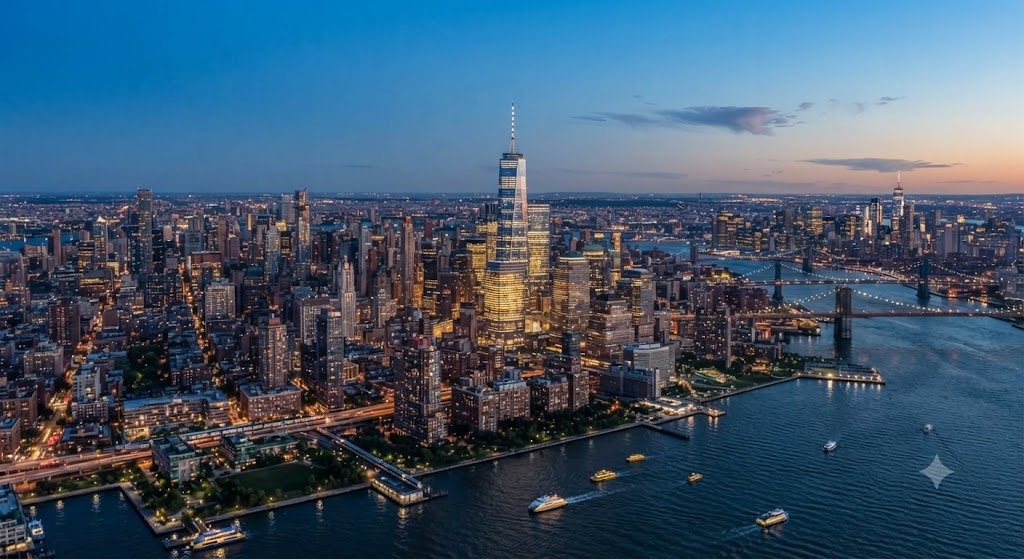

Discover why the United States is the top choice for international Indian students seeking world-class academic standards and career acceleration.
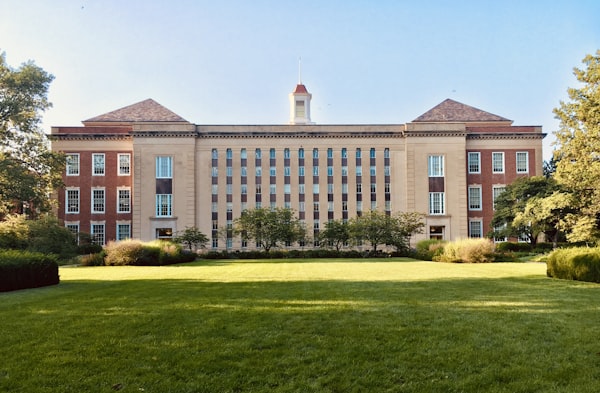
America leads all other nations in global university ranking systems such as QS and THE, with its universities, including MIT, Stanford, Harvard, among others occupying top 20 spots.
Students who complete STEM-designated Master’s are eligible for 12 months of regular OPT and 24 months of STEM extension, making for an incredible 36-month post-graduation opportunity to work in the US – the longest runway to H-1B sponsorship of all major destinations.
American universities are by far the largest recipients of research funds in the world, affording graduate students ample opportunities to join assistantships, state-of-the-art laboratories and renowned faculties in virtually any discipline.
Recruiters from Fortune 500 companies have well-established recruiting pipelines in universities which make on-campus recruitment and internships opportunities unmatchable in most other countries.
Thousands of accredited colleges, ranging from big public research universities to smaller liberal arts colleges, offering just about any field or budget.
Unparalleled in terms of reach into all industries and nations around the world, providing a career resource for life.
Below are leading universities in the USA popular among international Indian students, offering world-class research facilities, global faculty, and lucrative campus placements:
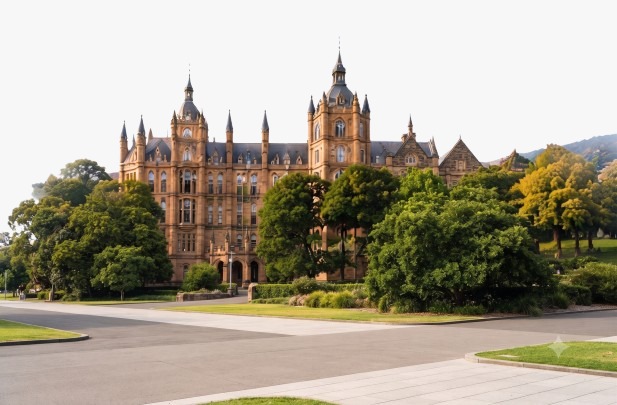



*As Per the Report 2026 Times Higher Education US College Rankings
Our expert counselors evaluate your GRE/GMAT/IELTS scores, budget, and career goals to shortlist the best-fit universities with high admit and scholarship chances.
The USA is a premier destination offering career-focused programs in high demand. These degrees provide excellent post-graduation job prospects and competitive wages.

Advanced computing, artificial intelligence, software systems, and cloud infrastructure.
High-demand programs in predictive modeling, big data architecture, and machine learning.
World-renowned MBA programs offering global leadership, finance, and entrepreneurial skills.
Leading degrees across Electrical, Mechanical, Industrial, and Civil Engineering.
Top-tier epidemiology, biostatistics, healthcare policy, and clinical research pathways.
Quantitative financial modeling, corporate investment, and economic strategy.
ISMS Global guides you at every single step — from course selection and university shortlisting to I-20 issuance, SEVIS payment, F-1 visa interview preparation, and pre-departure briefings.

Assessment of academics, test scores, budget, and career ambitions.
Curated dream, reach, and safe US university options.
Polishing essays, statements of purpose, and reference letters.
Error-free submission on Common App and direct university portals.
I-20 issuance, SEVIS I-901 fee payment, and funding proof verification.
DS-160 filing, slot booking, and intensive consular interview prep.
Housing assistance, foreign exchange, flight bookings, and packing guide.
Understanding your overall budget for tuition fees, accommodation, food, and medical insurance helps you plan funding, education loans, and scholarship applications accurately.

| Institution Type | Average Tuition Range |
|---|---|
| Public universities | $20,000 – $40,000/year |
| Private universities | $24,000 – $45,000/year |
| Category | Cost |
|---|---|
| Accommodation | $9,800 - $11,100 |
| Food & Groceries | $400 – $600 |
| Internet/phone | $35 - 60 |
| Water, sewer, and trash | $50 – $75 |
| Health Insurance | $700 and $1,000 (Per Year) |
| Books and Study Material | $900 - $2,000 per year |
| Expense | Estimated Cost (USD) |
|---|---|
| Tuition Fees | Public Universities $20,000 – $40,000/year Private Universities $24,000 – $45,000/year |
| Accommodation | $9,800 - $11,100 |
| Food & Groceries | $400 – $600 |
| Water, sewer, and trash | $50 – $75 |
| Health Insurance | $700 and $1,000 (Per Year) |
| Internet/phone | $35 - 60 |
| Books and Study Material | $900 - $2,000 per year |
Your overall budget also depends on lifestyle, as shown below:
| Range Type | Monthly Cost (USD) |
|---|---|
| Lower Range | $1,000 – $1,500 / month |
| Average Range | $1,500 – $2,500 / month |
The US government welcomes Indian students to pursue higher education at accredited US institutions. Follow our comprehensive F-1 visa guide for SEVIS I-901, DS-160, and consular interview preparation.

| Visa Category | Description & Purpose |
|---|---|
| F-1 Student Visa | For full-time academic studies at SEVP-accredited US colleges, universities, or English language institutes. |
| J-1 Exchange Visitor Visa | For participation in approved exchange programs, including university study, research fellowships, and summer work travel. |
| M-1 Vocational Student Visa | For non-academic, vocational, or technical training programs in the United States. |
| Step Number | Process / Action Required | Details & Notes |
|---|---|---|
| Step 1 | SEVIS fee and I-20 form collection | Pay the SEVIS I-901 fee, which's $350. You can pay for this online at fmjfee.com using your SEVIS ID. Once you pay the SEVIS fee, you are given an I-20 form from your new school or college. Duly fill out the form and bring it along for your F-1 interview. |
| Step 2 | VISA fee and form collection | Pay your visa fee at the designated bank or NEFT and collect the visa form. Duly fill out the form and bring it along for your interview. |
| Step 3 | D-160 Form | online non-immigrant visa application (~90 minutes); ensure your listed "Major" matches your SOP exactly. |
| Step 4 | Pay the MRV (visa application) fee | $185 |
| Step 5 | Pay the Visa Integrity Fee | $250 (applicable for some applicants as of 2026). |
| Step 6 | Schedule your Biometric (VAC) and Consular Interview appointments | Two separate appointments at the US Embassy/Consulate in India. |
| Step 7 | Attend your visa interview | Bring your passport, I-20, DS-160 confirmation, fee receipts, academic records, and financial documents. |
When applying for a student visa in the United States, you will typically need the following checklist of documents:
| Document Required | Description & Specifications |
|---|---|
| Valid Passport | A passport that is valid for at least 6 months beyond your stay in the US (unless excused under country regulations). |
| Admission Offer & Form I-20 | Acceptance letter at a SEVP approved school and your Form I-20. |
| SEVIS Fee Receipt | Application fee payment receipt for the SEVIS. |
| Form DS-160 Confirmation | Non-immigrant visa application and the Form DS-160 confirmation page. |
| Visa Photograph | Your photograph in the requested format, and number. |
| Academic Credentials | Academic preparation documents such as transcripts, diplomas, degrees or certificates. |
| Financial Capability Proof |
Evidence that you have sufficient funds to maintain your living expenses throughout the period of your stay in the US. This may include:
|
| Consular Interview Prep | You may also have to appear for a personal interview at the US embassy or consulate. |
*Please note that these are the basic requirements, speak with your IDP counsellor for a detailed list of documents required for USA student visa processing.
You can start the Visa process up to 120 days before your school starts but you cannot enter the United States until 30 days before your school starts.
You will need to show that you have money to pay for your first year of school. This is usually around $45,000 to $75,000. You can use a different thing to prove this, such as bank statements, a loan sanction letter, income tax returns, or other liquid assets.
You must demonstrate liquid funds covering at least the "Total Cost" listed on your I-20 — typically $45,000–$75,000 for the first year. Acceptable proof includes:
| Timeline Aspect | Details & Key Recommendations |
|---|---|
| Standard Wait Time | 2–8 weeks for an interview slot, depending on consulate and season. |
| Peak Season (May–August) | Wait times can extend significantly at high-demand consulates like Hyderabad, Mumbai, and Delhi. |
| Recommendation | Start your visa process 3–4 months before your intended travel date, and don't wait for your I-20 start date to approach. |
| Intake Term | Application Deadline / Period |
|---|---|
| Fall Intake | December or January |
| Spring Intake | September or October |
| Summer Intake | May |
Explore prestigious merit fellowships, government grants, and university assistantships providing partial to 100% tuition waivers and monthly stipends for Indian scholars.

| Scholarship Name | Benefits | Eligibility |
|---|---|---|
| Fulbright-Nehru Master’s Fellowship | Tuition fee coverage, Living expenses, Airfare, Health insurance, Visa support | Indian citizenship, Strong academic background, Leadership qualities, Professional work experience in certain cases |
| Hubert H. Humphrey Fellowship Program | Tuition support, Monthly stipend, Airfare, Health insurance | Mid-career professionals; Indian citizenship |
| Tata Scholarship at Cornell University | Financial assistance based on need, Coverage of tuition and educational expenses | Indian citizenship, Admission to Cornell University, Demonstrated financial need |
| Stanford Reliance Dhirubhai Fellowship | Significant tuition assistance, Leadership development opportunities | Indian citizens, Strong academic and professional achievements, Commitment to return to India after studies |
| Inlaks Shivdasani Foundation Scholarships | Tuition fees, Living expenses, One-way travel allowance | Indian citizens below the specified age limit, Excellent academic records, Admission to a recognized institution |
| AAUW International Fellowships | Financial assistance for tuition, Research support, Living expenses | Applicants must hold a U.S. bachelor's degree equivalent, intend to return to their home country, and demonstrate proficiency in English. |
Many American universities offer institutional scholarships for international students.
Some popular examples include:
Our counselors evaluate your academic score, test percentiles, and financial background to maximize scholarship awards.
Check Scholarship EligibilityTo study at top-ranked universities in the United States, Indian students generally require a high academic score (above 80% to 90%). For mid-range universities, scores between 60% and 75% are usually acceptable. Along with academic grades, here are all the documents required for applying to USA universities:

| Category | Document Name | Description & Specifications |
|---|---|---|
| Academic Documents | Class 10 Marksheet | Official marksheet with school seal and signature |
| Class 12 Marksheet | Official marksheet with school seal and signature | |
| School Transcripts | Official transcripts from Class 9–12 | |
| English Translation | If documents are not in English, an official translation is required | |
| School Leaving Certificate | From your school | |
| Application Materials | Common Application | Completed online application form |
| Essays | Common App essays (typically 650 words) | |
| Statement of Purpose (SOP) | Why you want to study in USA (500–1000 words) | |
| Letters of Recommendation | 2–3 from teachers or counselors | |
| Resume/CV | Highlighting achievements, extracurriculars, work experience | |
| Personal Documents | Valid Passport | With at least 6 months validity |
| Passport Copy | Scanned copy for application | |
| Birth Certificate | Official copy (if required) | |
| Financial Documents (for Visa) | Bank Statements | Proof of funds for tuition and living expenses |
| Sponsor Letter | If parents/relatives are sponsoring | |
| Income Tax Returns | Of parents/sponsors (last 2 years) | |
| Employment Letter | From parents' employer | |
| Other Documents | I-20 Form | From university (for visa application) |
| SEVIS Fee Receipt | Proof of SEVIS fee payment | |
| DS-160 Form | Online visa application form | |
| Medical Certificate | Health checkup report (if required) |
Several universities in USA accept a certification stating that the student has completed studies in English medium as an exemption to IELTS/TOEFL requirement.
Gradually gaining popularity among hundreds of universities in USA as a cheaper and quicker alternative.
Some universities conduct English proficiency interviews or institutional evaluations directly with the applicant.
In case the candidate has already pursued any full-time degree program in English medium, many universities provide exemptions.
Avoid delays and rejections. Our experienced USA counselors evaluate your SOP, financial affidavits, I-20 documents, and DS-160 filings with strict quality standards.
Free Document ReviewExperience dynamic campus culture, diverse international student associations, flexible on-campus part-time jobs, and supportive accommodation networks across major US college towns.
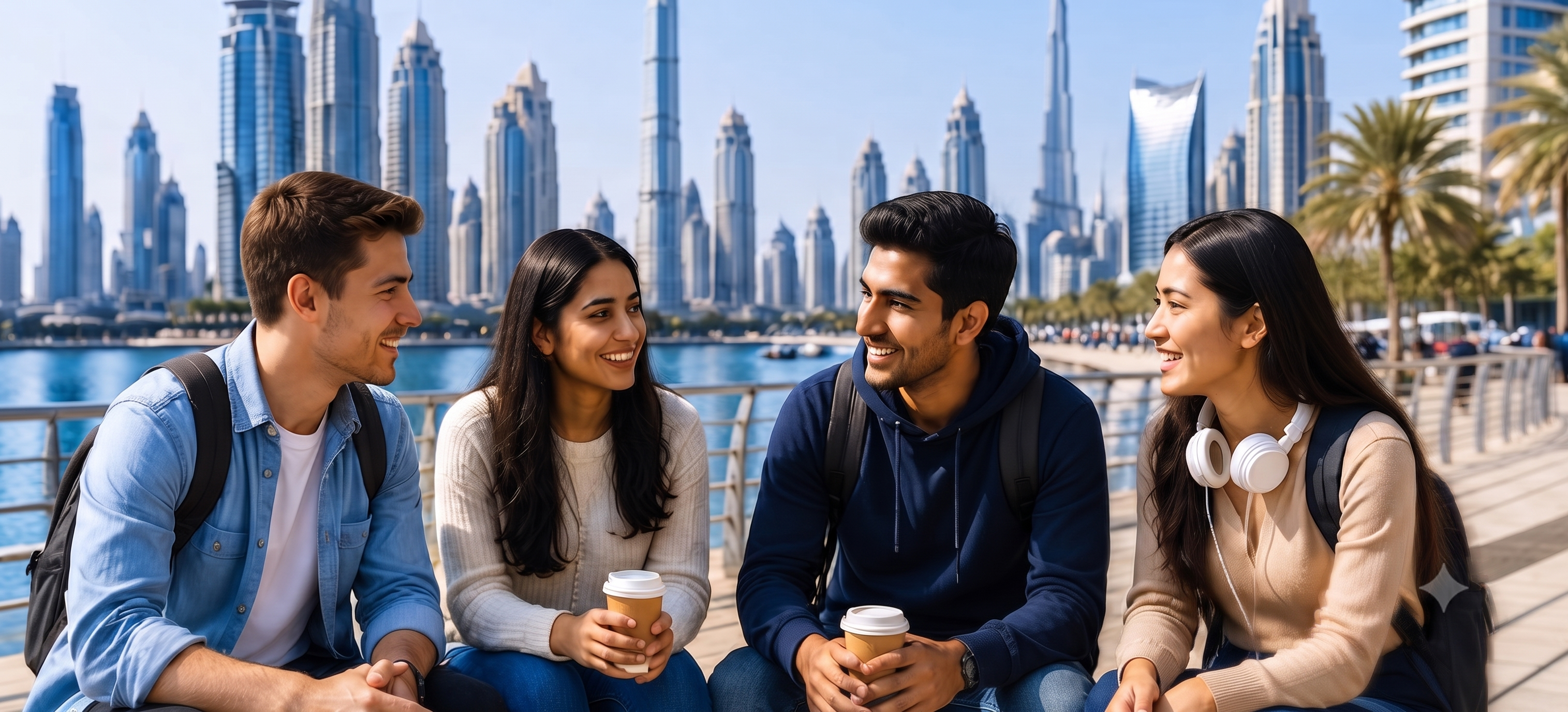
Residences range from dorms to apartment rooms (4-8 people), normally having private rooms and common kitchen, living room, and toilet. Average annual cost is about $11,100.
The rental price for an off-campus apartment begins at $450/month (about $50-$100/week) depending on location, lifestyle, and distance from campus.
Provides private room, private toilet, and shared kitchen close to your university campus via dedicated student housing platforms.
| Types of Student Accommodation in USA | Cost in USD per month |
|---|---|
| Residence halls | Approx. $800 - $900 |
| Residence Halls - self catered | Approx. $600 - $800 |
| Shared Apartment | Approx. $400 - $600 (shared by 4) |
| Homestay | Approx. $300 - $500 |
| Luxury accommodation | Approx. $2,000 |
They are massive buildings on the campus that consist of separate or shared rooms, having private or shared bathrooms, and basic furniture items. Most of them provide meals on a fixed fee basis and serve as a good tool for mingling and experiencing life in America. Options range from coed/single-sex dormitory dorms with lounge area with TVs, lounge spaces, game rooms etc.
Like the ones mentioned earlier but contain a kitchen area enabling students to prepare their own meals in their own schedules-popular choice for international students not wanting to rely on other schedules.
It is not rare to live in a shared apartment after the first year of study. The flats aren't connected with the university in any way; therefore, students have to sign a rental contract and review its terms.
These are furnished studio apartments that include more luxurious facilities e.g. concierge security-24-hr. They are the most expensive accommodation variant.
Some papers might be needed previously in the leasing period to verify application info. Your landlord could require:
| Employment Type | Description & Regulations |
|---|---|
| On-Campus Employment | Can start immediately without additional authorization. Allowed only during semesters (up to 20 hours per week) and breaks (up to 40 hours per week). Must be on-campus related. |
| Curricular Practical Training (CPT) | Internship programs related to your field of study, authorized by your designated school official. Off-campus part-time (up to 20 hours per week) during semesters and full-time (40 hours per week) during breaks. |
| Optional Practical Training (OPT) | Up to 12 months of employment after completion of studies for all F-1 students, and up to 36 months for STEM graduates (includes a 24-month STEM extension). USCIS authorization is required. |
| Severe Economic Hardship | For any sudden economic difficulty (loss of sponsorship, increases in tuition fee, etc.). Requires USCIS authorization and evidence of hardship. |
Note: Any off-campus work without authorization, even if you work less than 20 hours per week, is illegal for F-1 students and results in loss of student status.
Pay Rate: Most on-campus jobs offer between $8 to $20 per hour, depending on the job and the minimum wage in the state.
You will need a Social Security Number (SSN) to work. You will have to file tax returns each year (even if you earn below the taxable amount).
Your primary contact for verified campus openings, resume writing feedback, and interview preparation support.
Access university-specific online job portals and external partner networks designed specifically for college students.
Connect with professors, seniors, and alumni to discover unadvertised assistantships or student assistant roles.
Attend job fairs, seasonal hiring meets, and department events to get introduced directly to hiring managers.
Resumes should be US-style – short, bullet-pointed, and all about key skills and achievements. Cut the fluff and show what makes you worth hiring briefly.
Every US university has a large and active Indian Students Association. In addition, there are student offices that organize orientation, cultural events, and mentorship programs. These are places to start building your support network right from the beginning.
| Aspect of Student Life | Description & What to Expect |
|---|---|
| Academic Life | More involvement, teamwork, ongoing evaluation rather than Indian exam-dependent system. |
| Accommodation | On-campus halls in year one, off-campus shared apartments from year two onwards due to cost and independence. |
| Food | Dining halls and family cooking; most college towns have Indian groceries. |
| Work | Permitted on campus from day one (20 hrs./week maximum); get budgeting sooner than later. |
| Weather / Culture Shock | Winters may be difficult (Midwest/Northeast); adjustment period is normal and will be manageable by first semester. |
| Community | Indian Students Associations on most campuses for festivals, mentoring, support etc. |
| Safety | Campus security and international student advisors (DSOs) are trustworthy sources. |
| Career Building | Career centers and early networking are critical - begin in semester one, not final year! |
Get a Free Profile Evaluation for USA — Talk to our counselors to check your eligibility, shortlist universities that fit your budget and goals, and get a personalized roadmap for your I-20, visa, and funding plan.
Request Free Profile Evaluation
Get personalized university shortlisting, scholarship assessment, I-20 assistance, and 1-on-1 F-1 visa interview preparation.
Fill in your details and our expert will get in touch with you shortly.
Work in the USA for up to 3 years on your student visa after graduation.
1-on-1 interview preparation with certified US visa counsellors.
Direct admissions into accredited STEM MS & MBA degree programs.
Earn hourly stipends and tuition waivers through on-campus TA/RA roles.
World-leading laboratories and massive venture funding connections.
Direct access to Apple, Google, Microsoft, Amazon, and Goldman Sachs.
Need-based and merit-based financial aid for international students.
Paid summer internships while studying your degree program.
$20,000 – $40,000 / year
$24,000 – $45,000 / year
$9,800 – $11,100 / year
$400 – $600 / month
$700 – $1,000 / year
$900 – $2,000 / year